
If you’ve been waking up with a sore jaw, noticing a clicking or popping sound when you eat, or dealing with headaches you just can’t explain, you’re not alone. Jaw pain is far more common than most people realize, and it doesn’t have to rule your life.
What Is the TMJ?
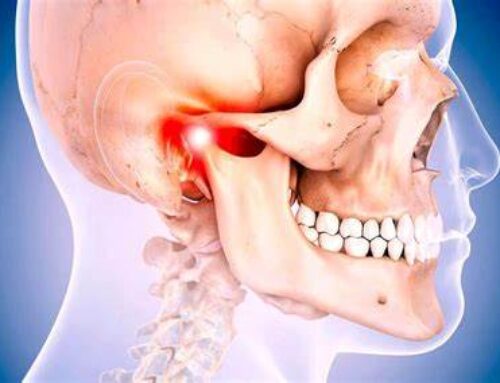
The temporomandibular joint, the TMJ, connects your lower jaw to your skull, just in front of each ear. You have one on each side, and they work every time you speak, chew, yawn, or swallow.
When something goes wrong with this joint, whether that’s pain, stiffness, clicking, or locking, it can affect almost everything you do throughout the day. TMJ disorders (also called TMD) can involve the joint itself, the surrounding muscles, and the nerves in the area. Millions of people across the US live with jaw dysfunction, yet many suffer in silence, unsure of what’s causing it or where to turn.
Why Does TMJ Dysfunction Happen?
There’s rarely one single cause. Most cases develop from several contributing factors over time:
- Jaw clenching or grinding (bruxism) Often happening during sleep, the repetitive strain on the jaw muscles and joint can build into significant pain over time.
- Stress and anxiety Emotional tension frequently shows up as tightness in the jaw and face, gradually overloading the TMJ.
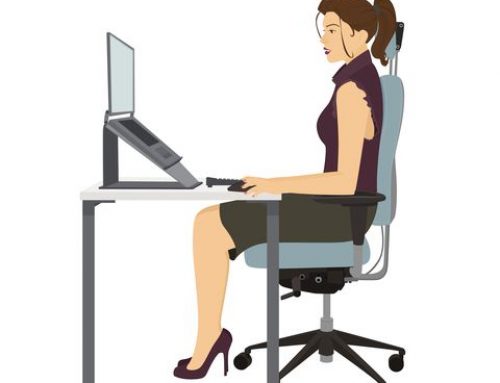
- Poor posture Forward head posture places added strain on the muscles supporting the jaw, directly affecting how the joint functions.
- Bite or dental issues An uneven bite or changes following dental work can shift how the jaw moves and stress the joint.
- Injury or trauma Whiplash, a blow to the jaw, or prolonged mouth opening during dental treatment can all trigger symptoms.
- Age-related joint changes Like any joint, the TMJ can experience wear and tear over time, affecting how smoothly it moves.
What Does TMJ Dysfunction Feel Like?
Symptoms vary from person to person, which is why TMJ is so often misunderstood. Common signs include:
- Jaw pain or tenderness, especially in the morning or after eating
- Clicking, popping, or grating when opening or closing the mouth
- Difficulty or discomfort when chewing
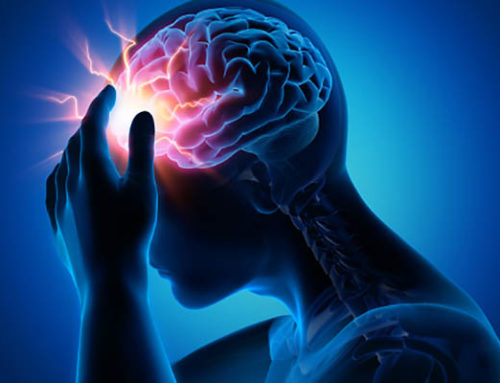
- Headaches around the temples or behind the eyes
- Neck and shoulder tension that won’t resolve
- Earache or a feeling of fullness in the ear without infection
- Difficulty opening the mouth fully, or the jaw locking
- Facial fatigue towards the end of the day
If several of these sound familiar, a professional assessment is well worth pursuing.
You Don’t Have to Resort to Botox or Surgery
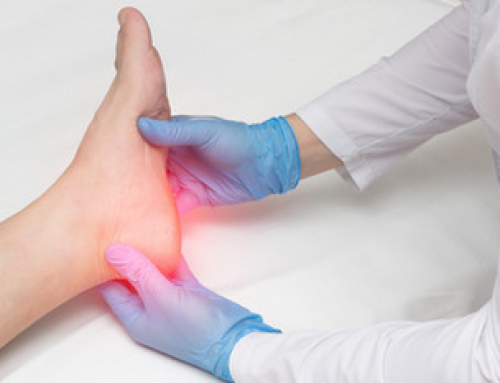
Many people are told their options are limited to painkillers, Botox injections, or surgery. While those approaches have their place in certain situations, the majority of people with TMJ dysfunction can find meaningful, lasting relief through conservative, hands-on physical therapy.
At Innovative Physical Therapy, we specialize in Functional Manual Physical Therapy (FMPT), an approach worth understanding if you’re exploring your options.
What Is Functional Manual Physical Therapy and How Does It Apply to TMJ?
FMPT is a specialized, hands-on approach that evaluates and treats the body as an interconnected system. Instead of focusing only on the area that hurts, it examines how your joints, muscles, fascia, and nervous system are working together and where breakdowns in that system may be driving your pain.
For TMJ patients, this matters because the jaw doesn’t work in isolation. It’s closely connected to your neck mobility, head alignment, shoulder tension, and even your breathing mechanics. Treating the jaw joint alone may only address part of the picture.
At Innovative Physical Therapy, a Functional Manual Physical Therapy approach to TMJ care may include:
- Hands-on joint mobilization to restore natural jaw movement and reduce irritation
- Soft tissue and fascial release of the jaw, face, neck, and upper back
- Cervical spine treatment to address the functional relationship between the neck and jaw
- Postural retraining to reduce the load placed on the jaw over time
- Neuromuscular retraining to improve awareness and relaxation of the jaw muscles
- Breathing pattern assessment where tension and mechanics may be contributing to symptoms
- Personalized home exercise programs to support progress between sessions
Join Us at Our Upcoming In-Person Masterclass
If jaw pain, clicking, or headaches have been affecting your quality of life, we have something coming up you won’t want to miss.
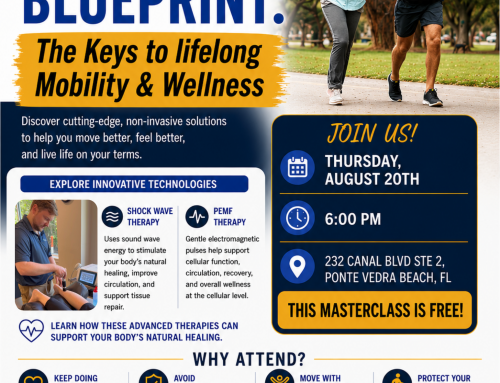
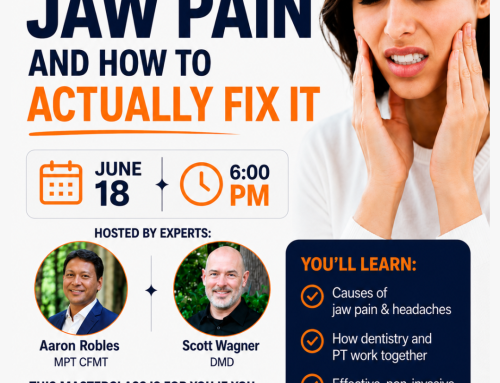
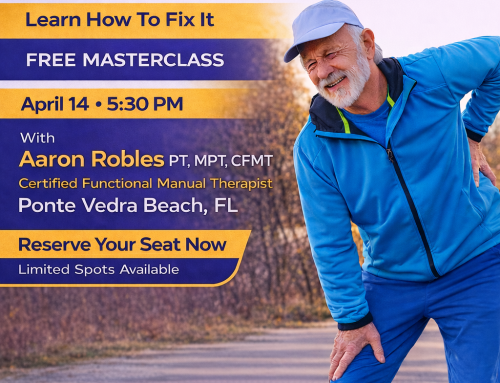
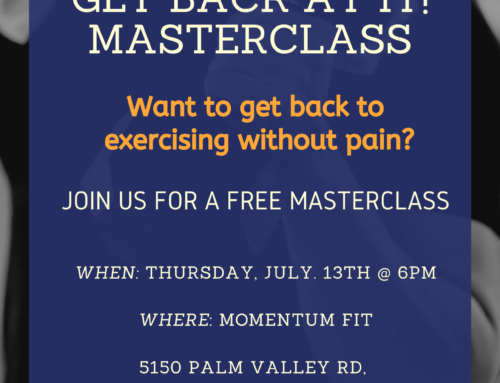
Register for our in-person Masterclass next week and learn directly from the team at Innovative Physical Therapy how a Functional Manual Physical Therapy approach evaluates and addresses TMJ dysfunction. Ask questions, gain clarity, and leave with a better understanding of your options.
Spots are limited, so secure your place today.
At Innovative Physical Therapy, we’re here to listen, assess, and help you move forward. It’s never too late to seek help.
👉 Register for Our In-Person Masterclass Here: https://info.mymanualpt.com/home-6137-2349-3698
📞 Or Call Us at (904) 280-2002 to Book Your Discovery Visit